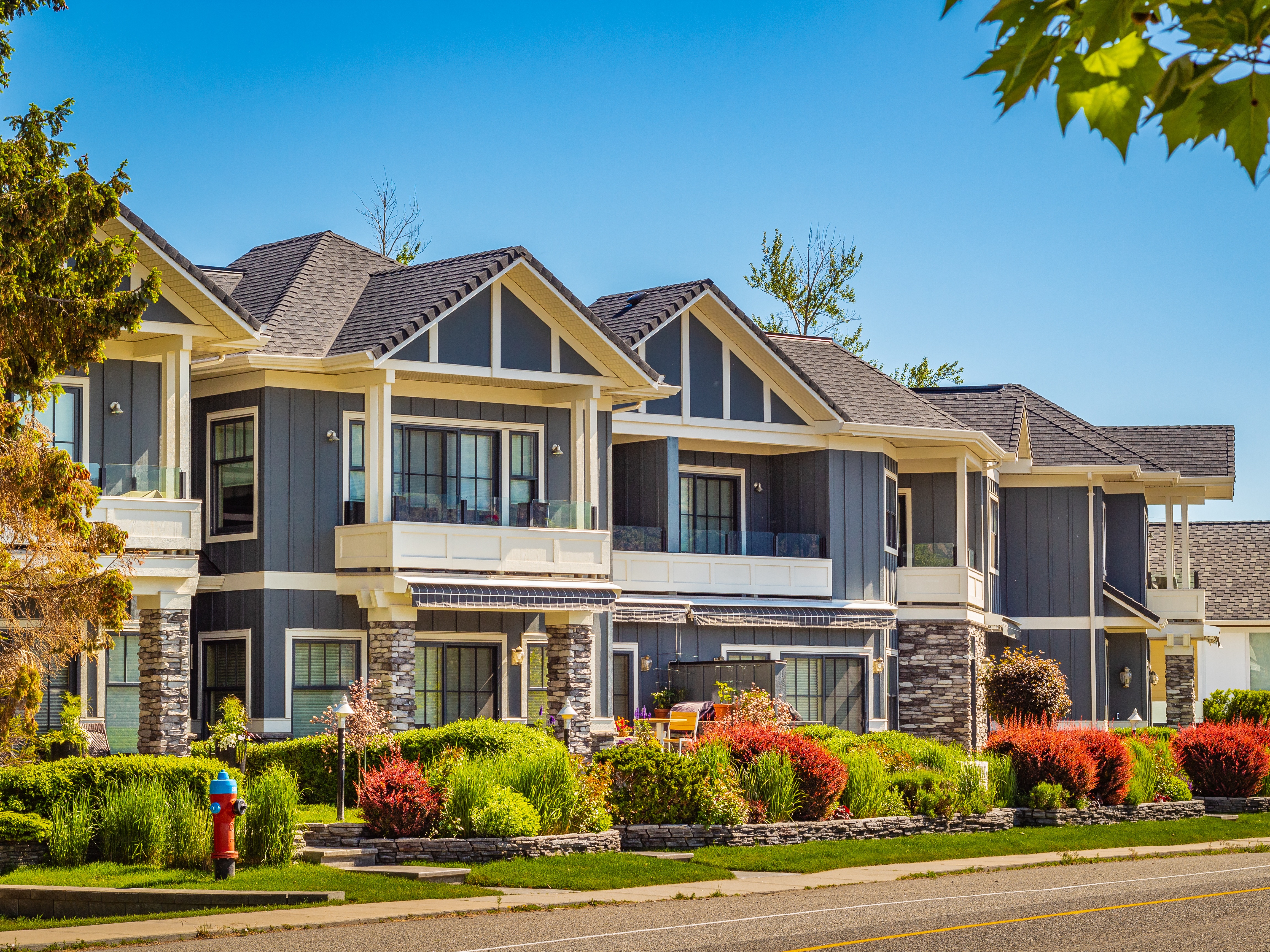
Builder's Risk Insurance
Builder's risk insurance covers buildings and structures while they are under construction, renovation, or undergoing significant installation work. Because a building under construction does not yet qualify for a standard commercial property policy — and because the risks during construction are significantly different from those of a completed, occupied structure — builder's risk is typically required as a separate policy for the duration of the project.
What Builder's Risk Covers
A builder's risk policy covers the insured structure and materials associated with the project against a broad range of physical loss causes, including:
- The structure itself — the building or addition as it is being constructed, including materials that have been installed
- Materials and supplies — building materials stored on-site or in transit to the job site
- Temporary structures — scaffolding, temporary fencing, and construction trailers, depending on the policy
- Soft costs — some policies can be endorsed to cover additional expenses caused by a construction delay, such as additional loan interest, architectural and engineering fees, and permit costs that must be repaid
- Loss of rental income — if the project is an income-producing property, coverage may be available for lost rents caused by a construction delay resulting from a covered loss
Who Needs Builder's Risk Insurance
Builder's risk policies can be purchased by the property owner, the general contractor, or both depending on how the construction contract assigns insurance responsibility. Property owners who are having work done on their buildings, developers building new structures, and contractors working on large or complex projects all have a legitimate interest in builder's risk coverage. In many cases, lenders require builder's risk insurance as a condition of a construction loan.
Industry Considerations
Builder's risk coverage needs vary significantly based on the type and scale of the project, the construction methods and materials involved, the location of the site, and the parties involved in the work. A ground-up commercial construction project has different requirements than a residential renovation or a tenant improvement project inside an existing building. The duration of coverage, the value of the work, the risk of theft of materials on the job site, and the complexity of the project all influence how a builder's risk policy should be structured. Etowah Insurance Group works with both contractors and property owners to place builder's risk coverage that fits the specific project, and a consultation is the right first step for any construction or renovation project.